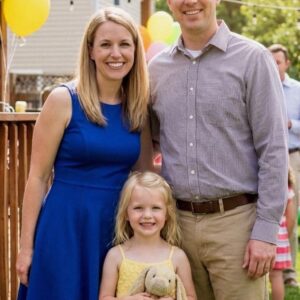
The day I made the last tuition payment for my youngest child, I felt an overwhelming sense of accomplishment. Six children raised, years of overtime worked, countless sacrifices made — it felt like I had finally reached the end of a very long road. Sitting at the kitchen table, staring at the payment confirmation, I believed I had fulfilled the promise I made to myself decades ago: to give my family every opportunity I never had.
Two weeks later, everything changed. During a routine checkup, my doctor asked a simple question: “Do you have biological children?” The tone caught my attention. After further discussion and testing, he explained that I was born with a rare chromosomal condition that makes biological fatherhood impossible. Not unlikely — impossible.
I left in disbelief. That evening, I showed the medical report to my wife and asked the question I never thought I would have to: “If I can’t have children, then whose are they?” Quietly, she retrieved documents she and my mother had kept for years. They revealed that after we struggled to conceive, donor assistance had been arranged. My mother knew about my condition and believed keeping it from me would spare me pain. My wife agreed, afraid I would feel inadequate.
The secrecy hurt deeply. I felt betrayed that such a life-defining truth had been hidden from me. Yet as the shock faded, one thing remained unchanged — my children. I was there for every milestone, every challenge, every success. Biology did not build our family. Love, commitment, and years of shared life did. And that is something no revelation can undo.
We use cookies